The Spring AC Tune-Up Checklist for Richland and Tri-Cities Homes
Spring gives you a short window to find small problems before the first real heat arrives.
September 30, 2026 · 4 min read
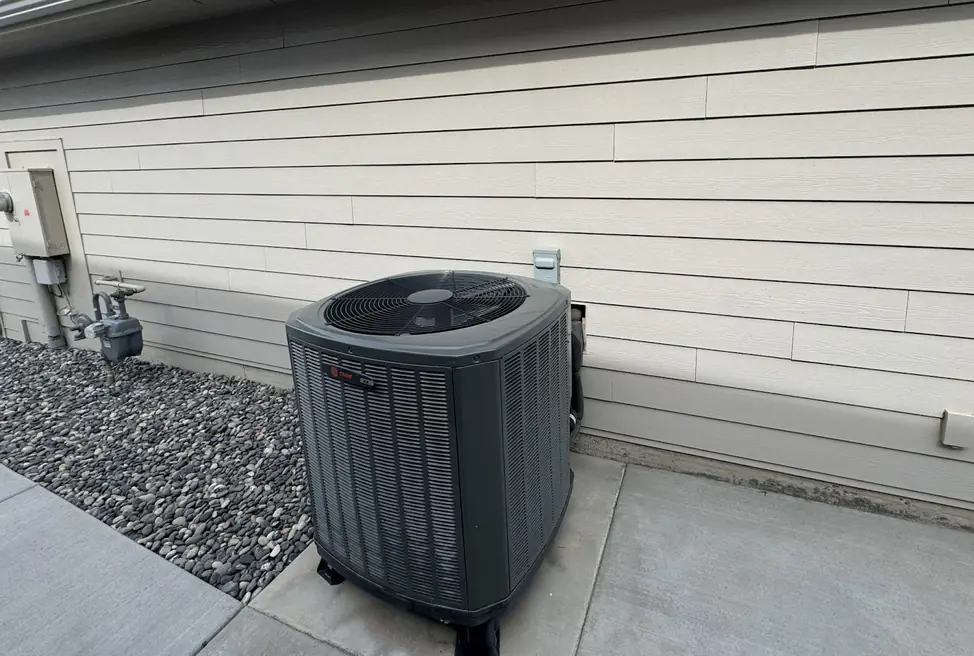
Around here spring does not ease into summer. One week you are still running the heat, and a few weeks later you are turning the air conditioner on for the first time since last year. That first run is when you find out what winter did to it.
A spring tune-up is the chance to find out on your terms, in a quiet season, instead of on the first hot weekend when everyone else is calling too. This checklist covers what you can handle yourself, what a professional visit includes, and what the warning signs look like.
Why spring is the right time
An air conditioner that has sat idle all winter carries whatever dust, debris, and wear it had when it shut off. Add the fast seasonal swing, and the first real heat puts it under serious load almost immediately. Problems that would have been a small adjustment in April turn into a no-cool call in July.
Spring is also when scheduling is easy. Once the heat arrives, technicians get busy and the open appointments disappear. Booking a tune-up early means you pick the day, instead of taking whatever is left.
What you can do yourself
- Check the air filter and replace it if it looks gray and packed. This is the single most helpful thing a homeowner can do. A clogged filter restricts airflow, makes the system work harder, and cuts cooling. Look at it every month or two during the cooling season.
- Clear the outdoor unit. Leaves, grass clippings, and yard debris pile up around the condenser over winter. Clear at least two feet on all sides, and keep plants trimmed back from it.
- Switch the thermostat to cool and test it. Set it a few degrees below the room temperature and confirm the system starts and responds. If you have a programmable or smart thermostat, review the schedule so it matches how your household actually lives.
- Walk the house and check every vent and register. Furniture, rugs, and curtains block airflow more often than you would think. A closed or blocked register makes the whole system compensate.
These steps are worth doing, but they cover the surface. What happens inside the equipment takes a trained set of eyes and the right gauges.
What a professional tune-up covers
A good spring visit follows a routine, and it is worth knowing what it should include so you can tell whether you are getting a real service or a quick look.
- Inspection and safety check: the outdoor unit, the indoor coil, electrical connections, wiring, and the disconnect. Loose or burned connections are a common source of failures, and this is how they get caught.
- Refrigerant evaluation: a technician checks pressures to see whether the system holds the charge it needs. Low refrigerant means a leak somewhere, and a leak is a repair, not something to top off and forget.
- Coil cleaning: dirty condenser coils trap heat the system is trying to shed. Clean coils mean the system works less to get the same result.
- Electrical component testing: capacitors, contactors, and motors weaken slowly and then fail all at once. Testing them in spring lets you replace a weak part on a calm day.
- Airflow and thermostat check: confirming the blower is moving the air it should and that the thermostat reads accurately and talks to the system.
- Filter review: checking that the size and type suit your system, because even a clean filter of the wrong kind can restrict airflow.
If your home uses a heat pump, the same applies, and it benefits from a visit in fall too, since it works in both seasons.
Signs your system needs attention now
- Warm or weak airflow from the vents, even though the system is running.
- Rattling, banging, grinding, or humming that was not there last summer.
- Longer run times to reach the same temperature.
- A rise in energy bills during mild weather that you cannot explain.
- The system turning on and off in short, rapid cycles.
- Ice on the indoor coil or the refrigerant line.
None of these automatically means a major repair. In many cases a tune-up finds a modest cause, like a dirty coil or a weak capacitor, that is quick to correct. But every one of them gets worse under heat, so spring is the time to find out.
What a tune-up costs
AirCare's own published guidance is that a routine maintenance visit typically falls between $100 and $200. That is a guide, not a quote, and it depends on the system. Compare that to an emergency call in the middle of a heat wave, plus the discomfort of waiting for it, and the case for going early makes itself.
If you would rather not have to remember, AirCare offers maintenance plans that schedule those visits for you. One customer wrote that they signed up not because they were upsold, but because they asked about it and liked the way the owner worked. That is how we would like every plan to start: with a question, not a pitch.
A simple order of operations
- Do the filter, the outdoor unit, the thermostat, and the vents this week. It takes about half an hour.
- Book the professional visit before the first hot stretch, while appointments are easy.
- Ask the technician to show you what they found, in plain language, and what it would take to fix anything that came up.
AirCare handles tune-ups across the Tri-Cities, and the owner still runs service calls, so you will hear what the technician found straight from the person who found it. You can read about the visit at /services/ac-maintenance, or call (509) 579-9979 to book.
AirCare Heating & Cooling, (509) 579-9979
Call (509) 579-9979More articles
Heat Pump vs Central Air in the Tri-Cities: Which One Fits Your House?
Both cool your home the same way in July, so the real decision is what you want from the system in January.
Ductless Mini-Split vs Central Air: How to Choose for Your Home
The equipment matters less than the shape of your house, and the condition of the ductwork inside it.